There are no items in your cart
Add More
Add More
| Item Details | Price | ||
|---|---|---|---|

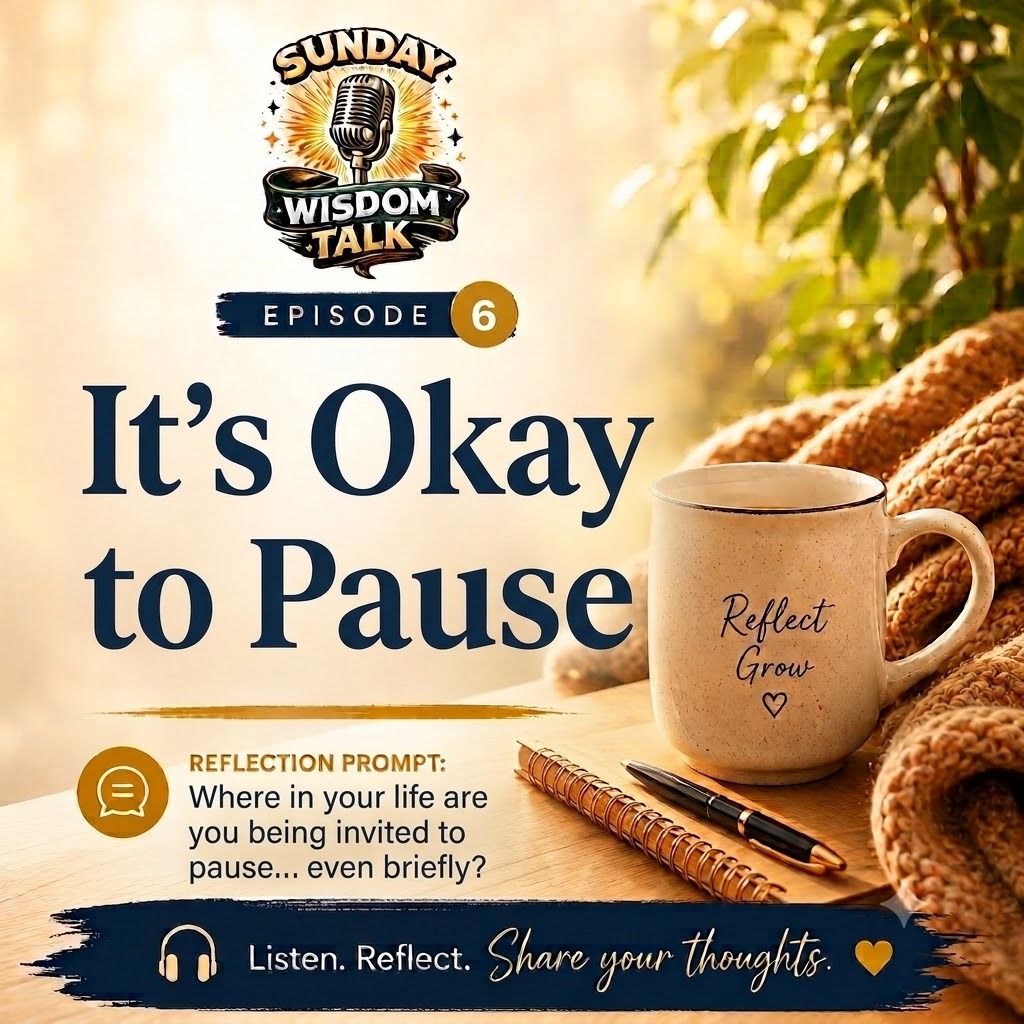
It was a simple moment.|
She had been moving through her day the way most of us do —task to task… thought to thought… barely a breath in between.
A message to respond to.
Something on the stove.
A tab still open on her laptop reminding her of what hadn’t been finished.
Nothing urgent.
But everything felt… pressing.
She stood in the kitchen for a second longer than usual.
Not doing anything.
Just… standing.
And almost immediately, something inside her tightened.
The Moment Most of Us Miss
What happened in that quiet second is something nearly all of us experience —
but rarely recognize.
The body asked for a pause.
The mind rejected it.
And the habit of pushing through took over.
From a biological perspective, this isn’t random.
Your nervous system is constantly scanning for safety and balance.
When energy dips, when focus softens, when your body slows…it’s often a signal.
A request to regulate.
But many of us have spent years overriding those signals.
What Science Quietly Confirms
Research in neuroscience shows that the brain isn’t designed for continuous output.
In fact, studies on attention and productivity suggest that our brains function best in cycles — often around 90 minutes of focused effort followed by a period of rest.
This is sometimes referred to as the ultradian rhythm.
When we ignore these cycles and push through fatigue:
• Cortisol (your stress hormone) begins to rise
• Cognitive clarity declines
• Decision-making becomes less effective
• And the body shifts further into a stress response
Over time, this doesn’t just affect productivity.
It affects how we feel in our own bodies.
Tired… but wired.
Busy… but not fulfilled.
The Story We’ve Been Taught
Somewhere along the way, many of us learned a quiet rule:
Finish first. Then rest.
It sounds responsible.
Even admirable.
But in practice, it creates a moving finish line.
Because there is always something else.
Another email.
Another responsibility.
Another expectation — often one we’ve placed on ourselves.
So rest becomes something we postpone.
And pause becomes something we resist.
A Different Perspective
What if that moment in the kitchen…wasn’t a distraction?
What if it was intelligence?
Your body saying:
Let’s reset before we continue.
Because pausing doesn’t take you off track.
It brings you back into alignment.
When you allow even a brief pause:
• The nervous system begins to regulate
• Breathing deepens naturally
• Muscles release subtle tension
• And clarity often returns without force
It doesn’t require a full break.
Sometimes it’s 30 seconds.
Sometimes it’s one conscious breath.
Sometimes it’s simply… not moving.
Why Pausing Feels So Uncomfortable
If pausing is so natural…
why does it feel so difficult?
Because for many people, stillness has been unconsciously linked to:
• Falling behind
• Losing control
• Or not doing enough
So even when the body slows down…the mind speeds up.
Filling the space with urgency.
Creating pressure where there was none.
A Small Shift That Changes Everything
Later that same day, she found herself in a similar moment.
Halfway through something.
Energy dipping again.
The familiar urge to push through appeared.
But this time… she noticed it.
And instead of reacting, she paused.
Not for long.
Just long enough to take a breath…
and let her shoulders drop.
Nothing dramatic happened.
But something subtle did.
The tension softened.
Her thoughts cleared.
And when she continued…it felt different.
Not forced.
Not rushed.
Just… steady.
A Gentle Invitation
Today, notice your in-between moments.
Not the beginning of the task.
Not the end.
But the middle.
The moment where your body quietly asks for space.
And instead of overriding it…experiment with allowing it.
Even briefly.
Not as a reward.
Not as an escape.
But as part of how you move forward.
Final Thought
You don’t have to finish everything before you pause.
You don’t have to earn your rest.
And you don’t have to push past yourself to prove anything.
Because sometimes…the most supportive thing you can do in the middle of it all…is pause.
Take a Moment to Embody This
Take a moment to pause with this reflection.
Written by Coach Lorraine Cuff
Sun, May 10th 2026.
 Launch your Graphy